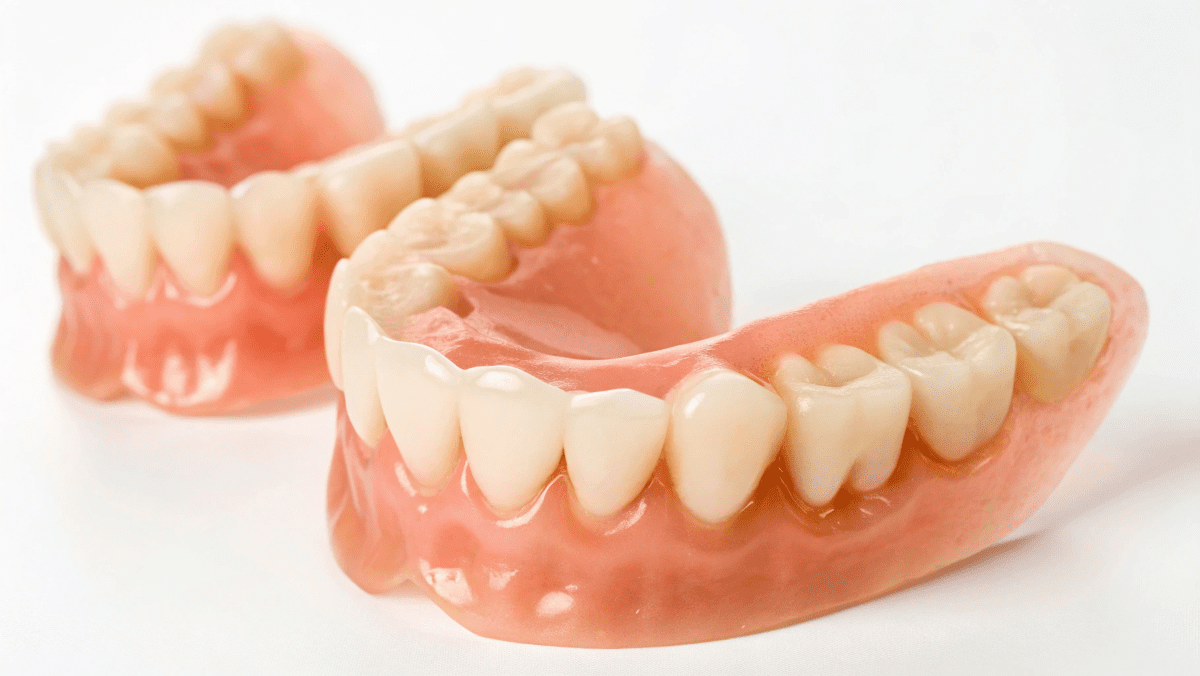
If you’re exploring tooth-replacement options, one of the first questions you’re likely to ask is how much do dentures cost. The truthful (and slightly frustrating) answer is: it depends. Denture pricing varies based on the type of denture, the materials used, the number of teeth replaced, any preparatory procedures you may need, and whether you’re using dental insurance or outside financing.
The Short Answer: Typical Price Ranges
While every treatment plan is unique, the ranges below can help you orient your expectations in the U.S. market. (These figures are per arch—top or bottom—unless noted otherwise.)
- Conventional full dentures: ~$1,000–$3,500 per arch
- Premium custom/precision full dentures: ~$2,500–$6,000+ per arch
- Partial dentures (acrylic or flexible): ~$900–$3,000 per arch
- Immediate dentures (placed same day as extractions): ~$1,500–$4,000 per arch (often plus extraction fees)
- Implant-retained overdentures (snap-in; 2–4 implants): ~$8,000–$20,000 per arch (including implants)
- Fixed full-arch implant bridges (often called “All-on-4/6”): ~$18,000–$35,000+ per arch (including implants)
Important: These are broad estimates. Your exact investment depends on your oral health, the number and type of implants (if any), lab craftsmanship, and your geographic region.
What Affects the Cost of Dentures?
Understanding the main cost drivers helps you compare options thoughtfully—not just by price tag.
1) Materials and Craftsmanship
Higher-quality acrylics, reinforced bases, premium composite teeth, and precision milling or injection-molding systems raise costs but can improve fit, durability, and esthetics. Premium dentures are often crafted in multiple appointments with extensive try-ins to fine-tune bite, speech, and appearance.
2) Case Complexity
If you need extractions, bone smoothing (alveoloplasty), or treatment for gum disease before dentures, those procedures add to the total. Complex bite relationships or significant bone loss may require additional visits or specialized techniques.
3) Type of Denture
- Full vs. partial: Partials can cost less than premium full dentures, but complex metal frameworks or flexible bases can increase the price.
- Immediate vs. conventional: Immediate dentures add convenience—no gap after extractions—but usually require more follow-up adjustments and relines as gums heal.
- Implant-retained or fixed options: Implants bring unparalleled stability and chewing power, but the implants, abutments, and attachment hardware are significant investments.
4) Follow-Up and Maintenance
Relines, soft liners, periodic repairs, and eventual replacement (typically every 5–10 years for conventional dentures) should be factored into the lifetime cost of your restoration.
5) Location and Experience
Fees vary by region. A practice’s training, technology, and in-house lab capabilities can influence pricing—and often the overall experience and outcomes.
Cost by Denture Type: A Deeper Dive
Conventional Full Dentures
Best for: Patients missing all teeth in an arch who want an economical, non-surgical solution.
What to expect: A series of impressions, bite records, try-ins, and adjustments for fit and esthetics.
Typical range: ~$1,000–$3,500 per arch for standard; ~$2,500–$6,000+ for premium custom dentures.
Pros:
- Most affordable way to restore a full smile
- Non-surgical option
- Esthetic improvements with modern materials
Considerations:
- Rely on suction and soft-tissue support (upper dentures typically feel more secure than lower)
- Can loosen over time as bone changes; relines or replacements are normal
Partial Dentures
Best for: Patients missing several teeth but not all.
Types: Acrylic base with clasps, cast-metal framework (more rigid and durable), or flexible nylon-based options.
Typical range: ~$900–$3,000 per arch.
Pros:
- Cost-effective way to replace multiple teeth
- Helps maintain bite stability by preventing shifting
Considerations:
- Esthetics and comfort vary by design
- Clasps may be visible depending on tooth positions
- Periodic adjustments are typical
Immediate Dentures
Best for: Patients needing extractions who don’t want a visible gap during healing.
What to expect: Dentures are made in advance and placed the same day teeth are removed.
Typical range: ~$1,500–$4,000 per arch, plus extraction and surgery fees.
Pros:
- Walk out with teeth the same day
- Protects tissues during the early healing phase
Considerations:
- More follow-up visits for soft relines
- A definitive reline or remake after healing is often required to maintain fit
Implant-Retained Overdentures (Snap-In)
Best for: Patients who want better stability and chewing compared to conventional dentures but prefer a removable option.
What to expect: Typically 2–4 dental implants per arch; the denture “snaps” onto attachments.
Typical range: ~$8,000–$20,000 per arch (including implants, surgery, and prosthesis).
Pros:
- Significantly improved stability and comfort
- Helps preserve bone in implant areas
- Easier hygiene than fixed bridges
Considerations:
- Requires adequate bone or grafting
- Attachments wear over time and need replacement
- Still removable (a pro for cleaning, but some patients prefer fixed)
Fixed Full-Arch Implant Bridges (“All-on-4/6”)
Best for: Patients seeking a non-removable, closest-to-natural chewing experience.
What to expect: 4–6 implants anchor a rigid bridge that stays in place; removed only by the dentist for maintenance.
Typical range: ~$18,000–$35,000+ per arch (comprehensive surgical and prosthetic package).
Pros:
- Excellent chewing efficiency and confidence
- Doesn’t move during speaking or eating
- Helps preserve jawbone
Considerations:
- Highest upfront cost
- More involved hygiene routine (special flossers/brushes)
- Repairs can be more complex than for removable prostheses
Additional Costs You May See on a Treatment Plan
- Extractions: Vary widely based on tooth condition and number extracted
- Bone smoothing/alveoloplasty: Helps the denture seat comfortably
- Temporary liners/soft relines: Improve comfort during healing
- Definitive reline or remake: Often needed 3–12 months after immediate dentures
- Repairs and tooth additions: For fractures or when additional teeth are lost
- Night guards: Helpful if you clench/grind (protects your investment)
- Maintenance visits: Regular checks to refine fit and function
Will Dental Insurance Cover Dentures?
Many PPO dental plans provide partial coverage for dentures (full or partial), often in the major services category. Typical coverage runs 40%–60% after you meet a deductible, with an annual maximum—commonly $1,000–$2,000 per year. Keep these points in mind:
- Waiting periods: Some plans require a 6–12 month wait before major services are covered.
- Frequency limits: Plans may only cover replacement every 5–7 years.
- Bundling procedures: Extractions and relines may be billed separately with different coverage rates.
- Implants: Coverage varies. Some plans now include implant benefits, but many still exclude or limit implant components.
- Medicare: Traditional Medicare doesn’t generally cover routine dental services. Certain Medicare Advantage (Part C) plans may include limited dental benefits—check the specifics.
Pro tip: Bring your insurance information to your consultation. A benefits check and pre-authorization (when available) can clarify expected out-of-pocket costs before you begin.
Financing and Budgeting Tips
Even with insurance, it’s common to finance a portion of treatment. Here are ways patients often make dentures more affordable:
- In-house membership plans: Some practices offer savings plans for patients without insurance, providing discounts on major services and preventive care for a low annual fee.
- Third-party financing: Healthcare financing companies can split treatment into manageable monthly payments, sometimes with promotional interest options for qualified applicants.
- FSA/HSA funds: If you have a Flexible Spending Account or Health Savings Account, eligible dental expenses— including dentures and implants—can be paid with pre-tax dollars.
- Phased care: Your dentist may sequence treatment to spread costs over time (e.g., immediate dentures now, implant upgrades after healing).
- Prioritize stability: If your budget allows, consider at least a two-implant overdenture on the lower arch. The stability improvement is dramatic compared to a conventional lower denture.
- Protect your investment: A night guard, routine checkups, and timely relines can extend the life of your dentures and reduce repair costs later.
Value vs. “Cheapest”: What to Look For
It’s tempting to focus solely on price, but dentures are medical devices you’ll use every day. The “cheapest” option can end up costing more if constant adjustments, sore spots, cracks, or premature replacements follow. When you compare, ask about:
- Number of appointments and try-ins (more time upfront can mean better fit)
- Material quality for the base and teeth
- Esthetic customization (tooth shape, shade, natural translucency, gum characterization)
- Bite analysis and how the practice ensures your speech and chewing feel natural
- Warranty and follow-up schedule (relines, minor repairs, attachment maintenance)
- Experience with implants if you’re considering overdentures or fixed bridges
How Long Do Dentures Last?
Lifespan varies with materials, maintenance, bite forces, and changes in your jawbone. A common expectation for conventional dentures is 5–10 years before a reline or replacement is needed. Implant-retained and fixed solutions can last much longer, with implants themselves designed as long-term foundations. The visible teeth and prosthetic components may still need periodic maintenance or replacement over time.
Maintenance essentials:
- Daily brushing of the denture and gentle cleaning of your gums/tongue
- Soaking removable dentures overnight in an approved solution
- Regular checkups to monitor fit, soft tissues, and implant health (if applicable)
- Prompt attention to sore spots, looseness, or speech/chewing changes
Sample Cost Scenarios (For Illustration Only)
- Economy full denture, upper arch only: $1,200–$1,800 + exam/x-rays + potential extractions
- Premium custom full dentures, both arches: $5,500–$10,000 including multiple try-ins and esthetic customization
- Lower implant overdenture with 2 implants: $9,000–$14,000 including surgery, attachments, and prosthesis
- Fixed full-arch implant bridge (single arch): $20,000–$30,000+ depending on number of implants, provisional, and final material (e.g., zirconia vs. hybrid)
Your dentist will tailor an estimate after a clinical exam, diagnostic imaging, and a discussion of your goals and lifestyle.
FAQs
Are dentures uncomfortable?
Modern techniques, careful adjustments, and premium materials have made dentures far more comfortable than their reputation suggests. Expect a brief adaptation period, especially with new appliances or after extractions.
Can I eat normally with dentures?
Yes—with some adaptation. Start with softer foods and work up to your usual diet. Implant-retained or fixed options provide the most “natural” chewing power.
What if my denture keeps slipping?
A reline, adjustment, or adding implants for retention can help significantly, especially for lower dentures.
Will people notice?
Well-made dentures are designed to look like a naturally beautiful smile. Custom tooth shape, shade, and gum esthetics make a big difference.
Ready to Plan Your Smile? Visit Revitalize Dental
At Revitalize Dental, we believe a smile tells a thousand words—and we’re dedicated to delivering high-quality, compassionate care that fits your lifestyle and budget. We offer a full range of dental services under one roof, from conventional dentures and partials to implant-retained and fixed full-arch solutions. Our goal is for you to leave every visit feeling confident, comfortable, and cared for.
If you’re wondering what your personalized treatment would cost, the best next step is a consultation and customized plan. We’ll review your goals, evaluate your oral health, perform any necessary imaging, and provide transparent pricing—including insurance estimates and financing options.
Call (502) 542-6456 to schedule your appointment. If you are looking to brighten and enhance your smile, please don’t hesitate to contact us today. Our welcoming and compassionate staff will do everything they can to make you feel right at home.