
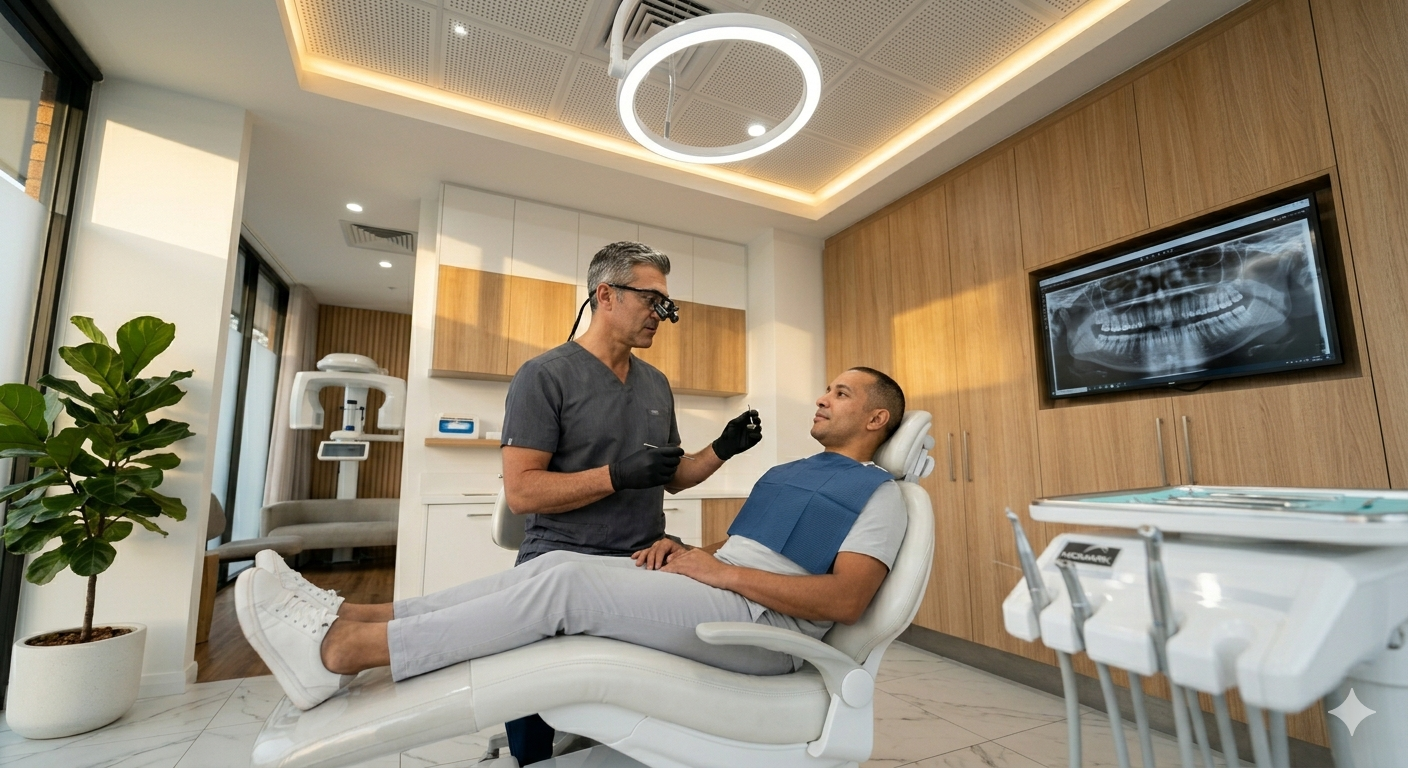
When a dental emergency strikes in Louisville, KY, knowing where to turn can make all the difference. Emergency dental care in Louisville is available to handle urgent issues like severe tooth pain, broken teeth, or sudden swelling quickly and effectively. These services focus on relieving pain, preventing further damage, and getting patients back to their daily lives as soon as possible.
Many local dentists offer after-hours appointments and use modern technology to provide gentle, accurate treatment even in stressful situations. Whether it’s a knocked-out tooth or an unexpected infection, prompt care is key to a better outcome.
If someone in Louisville needs emergency dental attention, acting quickly and knowing the right place to call can ease the worry and discomfort. Reaching out for professional advice or an immediate appointment is the best step to take.
Common Signs You Need Urgent Dental Care
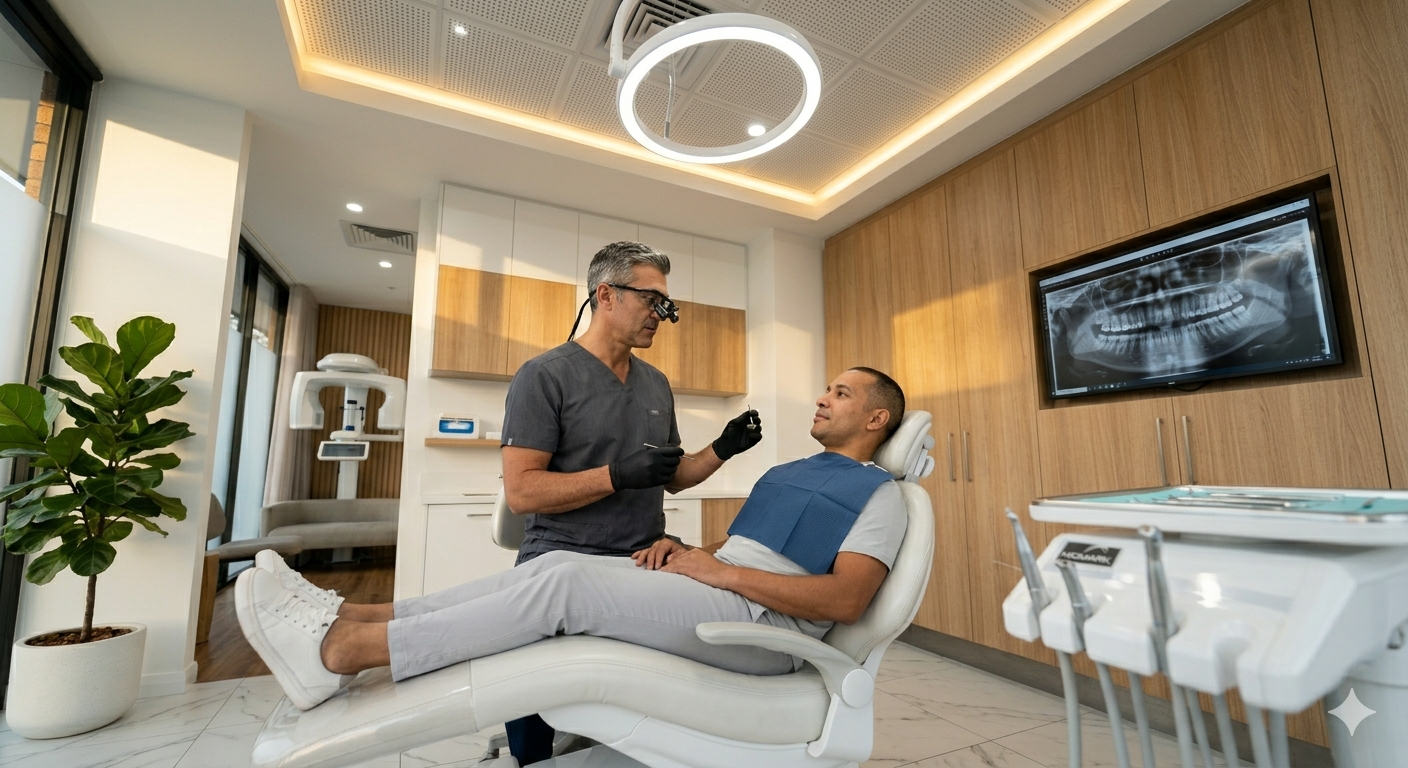
Certain symptoms should never be ignored when they affect your teeth or gums. Paying attention to pain levels, visible damage, or changes in your mouth helps catch serious issues early.
Severe Tooth Pain
Intense tooth pain that won’t go away with over-the-counter painkillers can signal a serious problem. This could be caused by an infection, deep cavity, or damaged nerve. The pain is often sharp, throbbing, or constant, making it hard to eat, sleep, or focus.
If the pain worsens when pressure is applied, or if it radiates to the jaw or ear, it usually means the tooth needs immediate attention. Delaying care can lead to an abscess or more complicated infections, requiring extensive treatment.
Swelling or Bleeding
Swelling in the gums, face, or jaw is a clear sign of infection or injury that should not be ignored. It may start near a painful tooth or appear suddenly after trauma to the mouth. This swelling often feels tender and warm to the touch.
Unexplained bleeding, especially if it won’t stop or comes with pus or bad taste, indicates something more serious than routine gum irritation. Patients should seek urgent dental care if swelling or bleeding interfere with swallowing, breathing, or cause fever.
Broken or Knocked-Out Teeth
A tooth that breaks, chips, or completely knocks out after a fall or accident requires prompt treatment. For a knocked-out tooth, quick action can sometimes save it if it’s replaced within an hour.
Even a small chip can lead to sensitivity, infection, or further damage if left untreated. Keeping broken tooth fragments and rinsing the mouth gently with warm water are good first steps before seeing a dentist.
If you notice these signs, reaching out to a trusted Louisville dentist quickly can prevent more pain and preserve your smile.
Steps to Take When Facing a Dental Emergency
Handling a dental emergency can be stressful, but knowing the right steps helps reduce pain and prevent further damage. Immediate care, useful home remedies, and understanding when to get professional treatment are all crucial.
What to Do Immediately
The first moments after a dental injury matter a lot. He or she should gently rinse the mouth with warm water to clear debris, but avoid vigorously spitting to prevent worsening bleeding. If there’s bleeding, applying gentle pressure with a clean cloth or gauze helps stop it.
For a knocked-out tooth, find it quickly without touching the root. Rinse it with water if dirty, and attempt to place it back in the socket if possible. Otherwise, keep it moist by storing it in milk or a tooth preservation kit. Applying a cold compress outside the mouth can ease swelling and pain right away.
Temporary Solutions for Home Care
When waiting to see a dentist, simple home care can make a big difference. Over-the-counter pain relievers like ibuprofen reduce pain and inflammation but should be taken as directed. Avoid hot or cold foods that might trigger sensitivity.
If a tooth is chipped or broken, placing a piece of sugarless gum or dental wax over sharp edges can prevent cuts inside the mouth. For an object stuck between teeth, carefully flossing can relieve discomfort, but avoid poking at gums with sharp tools. Keeping the head elevated and resting can also minimize swelling.
When to Seek Professional Help
Urgent dental care is necessary if the pain is severe, bleeding persists beyond 15 minutes, or a tooth is completely knocked out. Signs of infection such as fever, swelling, or pus require prompt attention to prevent complications.
If part of a tooth breaks and the injury exposes nerve tissue or causes difficulty eating or speaking, he or she should visit an emergency dentist immediately. Delays can lead to serious problems like permanent tooth loss or abscesses. It’s better to be cautious and get professional guidance quickly.
Modern Emergency Treatments Available
When dental emergencies strike, quick and effective care can make all the difference. Louisville dentists use advanced techniques to ease pain, restore damaged teeth, and control infections, helping patients get back to comfort and function without delay.
Pain Relief Options
Pain from dental emergencies can range from mild discomfort to severe throbbing. Louisville emergency dentists often start with local anesthesia to numb the area immediately, providing fast relief during exams and treatments.
Over-the-counter painkillers like ibuprofen may be recommended to reduce inflammation. In more severe cases, prescription medications, including stronger analgesics or short courses of anti-inflammatory drugs, are provided.
For toothaches caused by nerve irritation or trauma, pulpotomy (removal of inflamed nerve tissue) can quickly relieve pain. Using modern sedation techniques, such as nitrous oxide or oral sedatives, also helps anxious patients stay calm during urgent care.
Restorative Procedures
Damage from accidents or decay often requires prompt restoration to save the tooth and prevent further problems. Dentists use tooth-colored composite fillings for chips or cavities, restoring both function and appearance.
In cases of cracked or fractured teeth, crowns are custom-made to cover and protect the remaining tooth structure. When a tooth is knocked out, immediate action to reposition and stabilize it greatly increases the chance of saving it.
More extensive damage might need root canal therapy, which removes infected pulp and seals the tooth. This procedure often follows trauma or severe decay and is performed under local anesthesia for comfort.
Infection Management
Infections can develop quickly and pose serious health risks if untreated. Louisville emergency dentists routinely use antibiotics to stop bacterial growth, especially when abscesses or swelling are present.
Drainage of abscesses may be necessary to relieve pressure and speed healing. This can involve making a small incision under local anesthesia.
Patients are closely monitored, as untreated dental infections can spread beyond the jaw. Early intervention includes cleaning the infected area and providing tailored medication, helping to avoid complications.
Choosing the Right Dental Practice in Louisville
Finding an emergency dental practice that fits your needs means focusing on key factors like the dentist’s skills, patient care, and how quickly they can see you when urgent problems happen.
What to Look for in an Emergency Dentist
Patients should prioritize clinics with dentists experienced in handling sudden dental injuries or severe pain. It’s important that the dentist uses up-to-date techniques and equipment to ensure effective treatment. Look for clear communication—dentists who explain procedures calmly help reduce anxiety during stressful moments.
Check if the practice has positive reviews about patient comfort and successful emergency treatments. Friendly staff, immediate pain relief options, and personalized care also make a noticeable difference. When you can trust the dentist to act quickly and competently, it eases the stress of dental emergencies.
Availability and After-Hours Care
Emergencies can happen anytime, so choose a dental practice in Louisville offering flexible hours, including evenings or weekends. Some offices have a 24/7 emergency hotline to guide patients when clinics are closed.
Confirm if the practice schedules same-day appointments for urgent cases or provides walk-in options. Quick accessibility can prevent complications and reduce pain. Also, inquire about their process for handling emergencies outside business hours to avoid delays in care.
Having reliable contact and after-hours support ensures you won’t be left waiting during a painful or stressful situation.
Preparing for Your Emergency Dental Visit
Being ready for a dental emergency visit involves gathering key information and taking simple steps to stay comfortable. These help make the appointment smoother and ensure the dentist quickly focuses on urgent care.
What Information to Bring
Patients should bring their dental insurance card and a list of current medications, including doses. This helps the dentist understand your health background and avoid possible drug interactions.
If available, previous dental records, X-rays, or notes about allergies are important. Writing down the details of the dental problem—when it started, pain level, and any treatments tried—can speed up the diagnosis.
Emergency contact info and a photo ID are also needed for registration. Having a payment method ready, whether insurance or out-of-pocket, will reduce delays at the front desk.
Comfort Measures Before Your Appointment
Before arriving, patients can rinse their mouth gently with warm salt water to reduce bacteria and ease discomfort. Avoid aspirin directly on the gums as it may cause irritation.
Applying a cold compress to the cheek for 10-15 minutes can help reduce swelling. Over-the-counter pain relievers like ibuprofen may lessen pain but should be taken only as directed.
Eating soft foods and avoiding very hot or cold drinks may prevent additional irritation. Wearing comfortable clothing and bringing a bottle of water can also help during the wait.
Tips for Preventing Dental Emergencies
Taking care of teeth every day and using the right protections can significantly lower the risk of urgent dental problems. Consistent habits and regular checkups help catch issues before they become serious, while proper gear keeps teeth safe during physical activities.
Everyday Habits for Stronger Teeth
Good daily dental care starts with brushing twice a day using fluoride toothpaste. Fluoride strengthens enamel, making teeth less prone to cracks or decay that lead to emergencies. Flossing once daily removes food and plaque between teeth where brushes can’t reach, preventing gum disease and cavities.
Limiting sugary snacks and drinks reduces acid attacks that weaken enamel and cause sensitivity or sudden toothaches. Drinking plenty of water helps wash away food particles and keeps saliva flowing, which naturally protects teeth. Avoid using teeth as tools for opening packages or biting hard objects, as this often causes chips or breaks.
Protective Gear for Sports
Wearing a mouthguard during contact sports or activities with a high risk of falls is essential to prevent fractures, knocked-out teeth, or soft tissue injuries. Custom-fitted mouthguards from a dentist offer the best fit and comfort, staying securely in place to absorb shocks.
For children and adults involved in sports like football, basketball, or skateboarding, mouthguards reduce emergency visits caused by dental trauma. Helmets with face shields provide extra protection, especially in sports like hockey or baseball where flying objects can cause damage. Always replace mouthguards worn out to maintain effective protection.
Regular Dental Checkups
Routine dental visits are critical in preventing emergencies by detecting early problems such as cavities, cracks, or gum disease. A dentist can perform professional cleanings to remove hardened plaque that brushing misses and apply treatments like fluoride varnish for added protection.
X-rays taken during checkups reveal hidden issues like infections or tooth root problems before they become painful emergencies. Scheduling exams every six months allows for ongoing monitoring and prompt care, reducing the chance of urgent tooth pain or sudden damage. It’s also a chance to discuss any concerns or changes in dental health directly with an expert.
Gentle, Patient-Focused Care in Louisville
Dentists in Louisville understand that emergency dental visits can be stressful. That’s why they prioritize gentle, patient-focused care from the moment you walk in.
They take time to listen carefully to your concerns and explain every step clearly. This approach helps patients feel more comfortable and informed during treatment.
Modern dental offices in the area use the latest technology to reduce pain and speed up recovery. For example, digital X-rays minimize radiation exposure and give precise images quickly.
Many practices offer sedation options for anxious patients. These range from mild nitrous oxide (laughing gas) to deeper sedation, tailored to each person’s needs.
Here’s what patients appreciate about Louisville’s emergency dental care:
- Friendly, supportive staff who ease nerves
- Flexible scheduling for urgent needs
- Clear communication about treatment options and costs
- Personalized care that focuses on comfort
If you’re facing a dental emergency, reaching out early can make a big difference. Experts encourage people to ask questions and discuss their fears openly. This builds trust and helps ensure the best possible care.
Frequently Asked Questions
Knowing when to seek immediate care and how to handle dental problems can make a big difference in comfort and outcomes. It’s important to understand which situations need urgent attention, how to manage pain safely, and where to find help at any hour.
What counts as a true dental emergency versus something that can wait until morning?
A true dental emergency involves severe pain, uncontrolled bleeding, or trauma that affects your ability to eat, speak, or breathe properly. Examples include a knocked-out tooth, severe swelling, or intense toothache that doesn’t respond to painkillers.
Minor issues like a slightly chipped tooth, mild sensitivity, or a loose filling can usually wait until regular office hours.
If I have a dental emergency in the middle of the night, what should I do first to stay comfortable and safe?
Rinse your mouth gently with warm water and use a cold compress to reduce swelling. Over-the-counter pain relief like ibuprofen can help.
Avoid touching or uprooting loose teeth, and keep your head elevated to reduce throbbing. Seek professional help as soon as possible.
Can a hospital emergency room help with severe tooth pain or a dental injury, and when should I go there?
ERs can provide pain relief and manage severe infections, especially if swelling affects your airway. Go to the ER if you have difficulty breathing, heavy bleeding, or trauma involving jaw fractures.
For routine dental pain or injuries, an urgent care dental office is usually a better choice for specialized treatment.
Where can I find a walk-in dentist that’s open right now, and what should I bring to the visit?
Many Louisville dental clinics offer walk-in hours, with some open late or weekends. Use local directories or call clinics directly to confirm availability.
Bring your ID, insurance card if you have one, and a list of any medications. If you have X-rays from past visits, those can help the dentist assess your condition faster.
Do any urgent dental clinics accept Medicaid, and what payment options are usually available if I’m uninsured?
Some urgent dental clinics in Louisville accept Medicaid, but coverage can vary. It’s best to call ahead and ask.
For uninsured patients, many clinics offer payment plans, sliding scales, or upfront pricing. Some also accept credit cards or offer financing through third-party services.
If I chip or knock out a tooth, what simple steps can I take right away to improve the chances of saving it?
For a knocked-out tooth, rinse it gently with water without scrubbing and try to place it back in the socket if possible. If not, store it in milk or saliva and get to a dentist immediately.
For chips, rinse your mouth and use dental wax or sugarless gum to cover sharp edges until you can see a dentist. Acting quickly helps protect your smile.