

Understanding TMD and How It Affects You
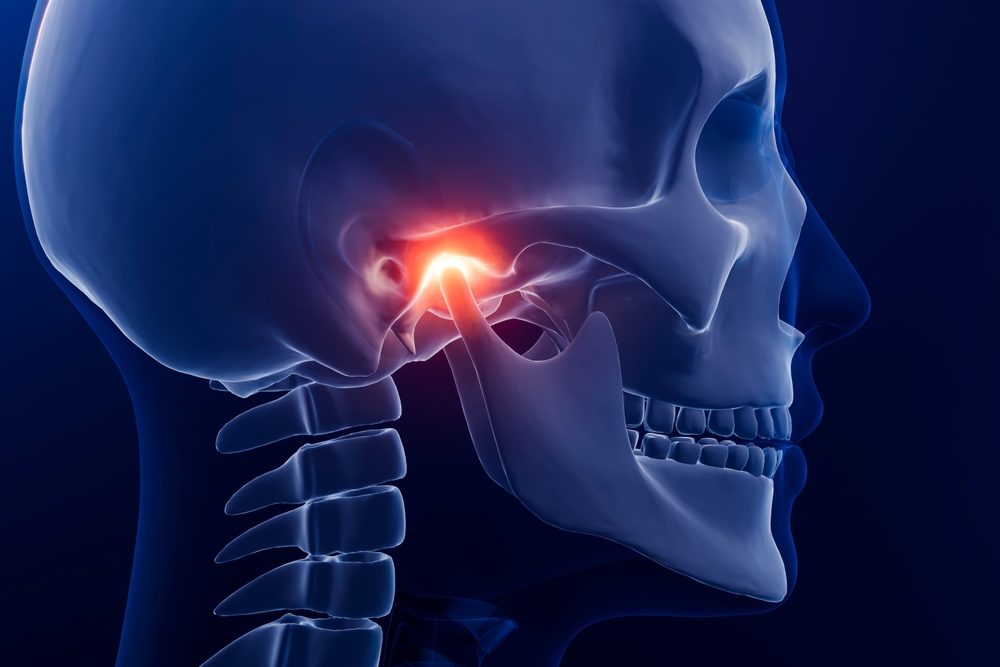
Our temporomandibular joints are among the most frequently used joints in the body, helping us speak, chew, yawn, and express ourselves every day. When these joints or the surrounding muscles become strained, irritated, or misaligned, the result can be temporomandibular disorder, more commonly known as TMD. At our Louisville practice, we understand how disruptive TMD symptoms can be to your daily life. That is why we are committed to helping you understand the condition, identify the underlying factors that may be contributing to your discomfort, and provide care tailored to your needs. TMD is often linked to stress, habitual jaw clenching, or nighttime teeth grinding, but it can also stem from injury, arthritis, or an imbalanced bite. Regardless of the cause, the pain and functional issues that develop can significantly impact your comfort, sleep quality, and overall health.
Request an AppointmentCommon Symptoms of TMD
Our patients typically come to us after experiencing symptoms that have gradually intensified or suddenly become more noticeable. TMD often presents differently from person to person, but many individuals share similar signs. You may find that opening or closing your mouth creates sharp or dull pain in the jaw muscles or joint area. Chewing may feel uncomfortable or uneven, and in some cases, the jaw may temporarily lock open or shut. Many people report headaches or ear pain that do not seem related to other conditions, especially upon waking. Clicking or popping noises when moving the jaw are also common indicators, as is grinding or clenching the teeth during sleep or times of stress. Because these symptoms can mimic other health issues, including ear infections or dental decay, only a trained professional can accurately diagnose the condition.
How Teeth Grinding Impacts Your Oral Health
One of the most concerning symptoms associated with TMD is bruxism, which refers to grinding or clenching the teeth. If you grind your teeth regularly, the pressure placed on the enamel can cause excessive wear and expose the underlying dentin. Since dentin is softer and more sensitive, this exposure can make your teeth vulnerable to decay, fractures, and temperature sensitivity. You may notice discomfort when enjoying hot or cold foods, or you may feel that your teeth seem shorter or more worn than before. Grinding can also strain the temporomandibular joints further, creating a cycle in which muscle tension leads to more grinding, which in turn intensifies the symptoms of TMD. By addressing bruxism early, we can help prevent long-term damage to your teeth and reduce the stress placed on your jaw.
How We Diagnose TMD
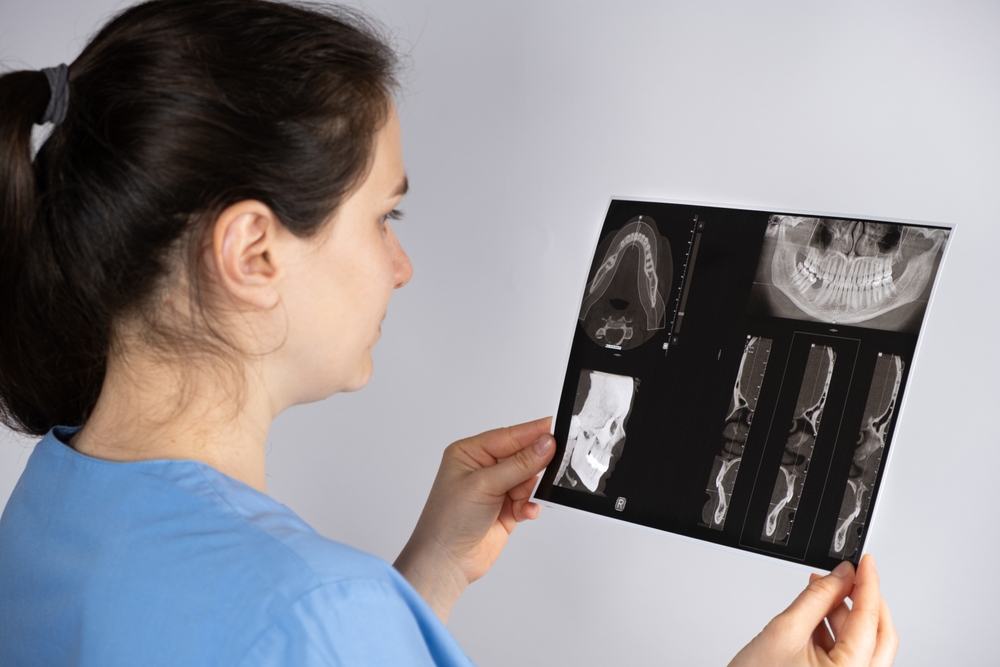
Diagnosing TMD requires a comprehensive evaluation, and at our practice, we take the time to thoroughly assess your symptoms, habits, and oral health. We begin by discussing your medical and dental history, including any recent injuries, stress levels, and lifestyle factors that may contribute to muscle tension. We then examine the jaw joints and surrounding muscles, checking for tenderness, irregular movement, and joint sounds. Digital imaging may be recommended to help us evaluate your bite alignment and rule out structural issues. Because other conditions can mimic TMD symptoms, our goal is to rule out alternative causes so we can confidently recommend the most appropriate treatment options for you.
Request an AppointmentTreatment Options for Long-Term Relief
Once we have a clear understanding of your condition, we work with you to create a personalized treatment plan. Many patients find relief through conservative approaches that support the muscles and joints while reducing inflammation and strain. Over-the-counter pain relievers often help with temporary discomfort, and alternating hot and cold compresses can soothe sore muscles. Behavioral adjustments are also an important component of treatment. We may discuss habits that contribute to clenching or grinding and offer techniques to relax the jaw throughout the day. For patients experiencing nighttime grinding, a custom night guard can provide significant relief. Our night guards are designed to fit your teeth precisely, offering both comfort and durability. This protective appliance creates a cushion between the upper and lower teeth, absorbs pressure, and reduces muscle strain. Over time, many patients experience fewer headaches, improved sleep quality, and reduced jaw pain.
When More Advanced Treatment Is Needed
While many individuals improve with noninvasive treatments, some cases of TMD require more advanced intervention. If we determine that your symptoms are caused by structural issues within the joint or severe bite misalignment, we will discuss additional options with you. In rare cases, surgical treatment may be necessary. However, our philosophy is to begin with the most conservative methods first, reserving surgical solutions only for situations where other treatments have not been effective. Our commitment is to guide you through each step of the decision-making process, so you feel confident and informed.
Why Addressing TMD Early Matters
Ignoring TMD symptoms not only prolongs your discomfort but may also worsen the condition over time. Chronic grinding can permanently damage the enamel, strain the jaw muscles, and lead to long-term bite problems. Persistent inflammation can limit jaw movement or contribute to headaches, neck pain, and sleep disturbances. By seeking care early, you give yourself the best chance at achieving lasting relief and protecting your oral health. Our team is here to help you understand what your symptoms mean and to provide solutions that fit your lifestyle.
options for you.
Our Commitment to Your Comfort and Care
At our Louisville office, we take a compassionate and comprehensive approach to TMD care. We understand that jaw pain and related symptoms can interfere with the simplest daily tasks, from eating your favorite foods to speaking comfortably at work or enjoying restful sleep. Our goal is to identify the root cause of your discomfort, relieve your symptoms, and prevent future complications. We believe that patient education is one of the most important aspects of successful treatment. By helping you understand how your jaw functions and what factors contribute to TMD, we empower you to take an active role in protecting your health. Whether you need short-term relief or long-term management, we are here to support you.
Schedule a Consultation with Us
If you suspect you may be experiencing TMD, we encourage you to schedule a consultation. We will take the time to listen to your concerns, evaluate your symptoms, and recommend a customized treatment plan designed to restore comfort and function. In many cases, relief begins with simple adjustments and preventive care. With the right approach, you can experience reduced pain, improved jaw mobility, and protection from the long-term effects of grinding and clenching. Our Louisville team is dedicated to helping you find solutions that enhance both your oral health and your quality of life.
Request an Appointment