Serving patients in Louisville, KY and the surrounding regions. A Biological holistic approach to surgical dental care. For patients seeking biological dental care, oral surgery often raises deeper questions, not only about what’s to be done but how it will be done and what the long-term implications might be. At Revitalize Dental, we take those questions seriously. Our focus is on careful planning, sound surgical technique, and support for healthy healing – particularly for procedures such as extractions, implant placement, sinus lifts, and treatment of compromised jawbone. 
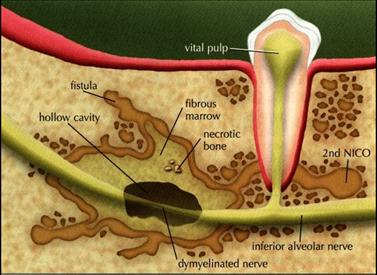
Oral surgery is where dentistry becomes especially consequential. It’s where decisions affect not just your teeth but bone, blood supply, nerves, and the body’s ability to heal – sometimes for years to come. In a biological context, oral surgery is never just mechanical. Rather than approaching it as a series of interchangeable procedures, we look closely at why surgery may be needed, what the surrounding tissues need in order to heal well, and how today’s choices may affect tomorrow’s health and well-being. Extractions are often thought of as straightforward, but from a biological standpoint, what happens after removal matters just as much as the removal itself. This is particularly true for teeth that have undergone root canal treatment. In some cases, these teeth can harbor residual infection even when they appear stable and symptom-free. (For this reason, some refer to these as a form of “hidden” infection.) This doesn’t mean that all root canal teeth need to be removed. Many function well for years. But when symptoms do arise and persist – or when imaging and clinical findings suggest unresolved infection – extraction may be recommended to restore the tissues to health. From a biological perspective, proper management of the surgical site is essential to support good healing. This includes thorough cleaning of the bone, removal of any compromised tissue, and attention to circulation. All these have been shown to lower the risk of future complications. Dental implant success depends on much more than just placing a fixture in bone. Bone quality, circulation, inflammation, and force distribution all influence how well an implant will integrate and function over time. From a biological standpoint, we are also mindful about the materials used – biocompatibility is not optional – as well as each patient’s ability to heal. When just a single tooth or a few isolated teeth need to be replaced, individual zirconia implants are typically used. Zirconia is a ceramic material that is extraordinarily strong and durable. It’s also broadly biocompatible, meaning that it’s well-tolerated by most people. When a full arch needs to be replaced, however, Hybridge implants may be a good option. This approach uses a strategic number of implants to support a fixed bridge of replacement teeth rather than replacing each tooth individually. It’s also an especially efficient way to replace a large number of teeth while keeping the number of appointments involved to a minimum, thus reducing repeated surgical trauma. In the upper jaw, limited bone height can make it hard to place implants because of the nearness of the sinus cavity. A sinus lift can address this by creating more bone support for the implants. From a biological perspective, sinus lifts and related procedures require extra careful planning. Sinus anatomy, existing bone quality, inflammation, and healing capacity all factor into the decision-making process – whether a lift is needed, how it should be performed, how the work should be paced, and so on. The goal isn’t just to make space for an implant but to do so in a way that supports its long-term stability and a healthy tissue response. One reason why biological dentists emphasize careful technique so much – especially during extractions – is to support healthy jawbone healing from the start. If infected tissue remains at the surgical site or the blood supply is compromised, normal healing can be disrupted. Over time, this can raise the risk of developing areas of poorly healed bone. Commonly called “cavitations,” the clinical name for this complication is Chronic Ischemic Medullary Disease of the Jawbone (CIMDJ). The term “ischemic” here is a particularly important one. It refers to reduced blood flow, which is a defining feature of these lesions. In CIMDJ, the gum tissue covering the lesion often appears healthy, giving no indication of what’s happening below the surface. There may also be few obvious symptoms, as the problem lies within the bone itself, where poor circulation and incomplete healing may allow infection and inflammation to quietly persist. It’s important to recognize that not every extraction site develops this type of problem. If an extraction site is well-managed, as we described above, the risk of such lesions developing is minimal. But when evaluation suggests that treatment is needed, biological oral surgery focuses on removing all compromised tissue and supporting good healing through thorough debridement, attention to circulation, and supportive measures such as dental ozone, platelet-rich fibrin (PRF), and photobiomodulation – tools that promote healing by stimulating the body’s own healing abilities. Some people who seek oral surgery with a biological approach are proactive. They’re thinking carefully about long-term, whole-body health, materials, and healing. They want surgical care that reflects their same level of intention. Others arrive after a much harder road. They’re dealing with complex or chronic health issues, and they’re looking closely at whether unresolved dental burdens may be playing a role. For these patients, guesswork isn’t acceptable. Neither is oversimplification. What both groups tend to value is the same thing: sound judgment. At Revitalize Dental, surgical care is guided by experience, not ideology. Decisions are made carefully, explained clearly, and tailored to each individual situation. Supportive therapies may be used when they meaningfully support healing and recovery as part of an integrated surgical approach. Just as important is the atmosphere in which care is delivered. Patients often describe a sense of steadiness here. They appreciate the time they have to ask questions, the space to think, and the confidence that our doctors’ recommendations are grounded in real clinical understanding. For people navigating complex decisions, that combination of expertise and tone matters. Ready to talk things through? What Biological Oral Surgery Means in Practice
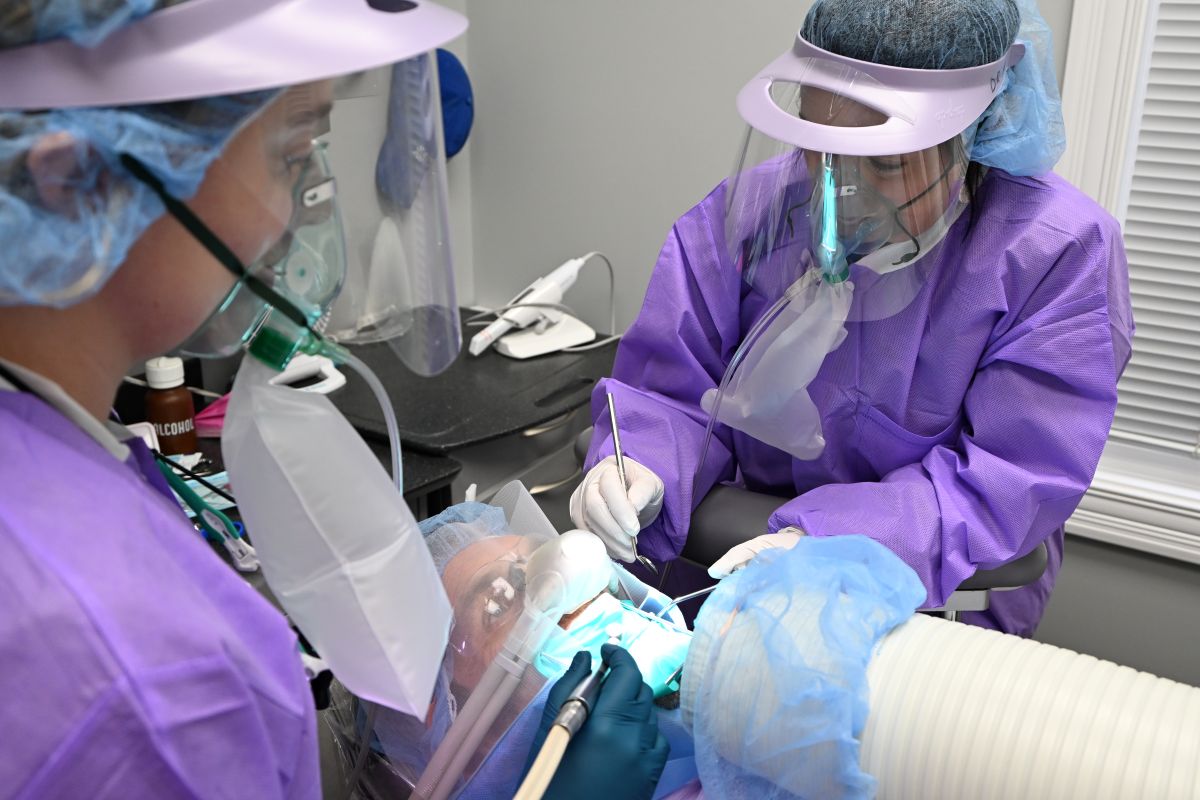
Types of Biological Oral Surgery:
Extractions & Site Management
Implant Surgery
Sinus Lifts & Related Procedures
Jawbone Healing, Circulation, & CIMDJ (“Cavitations”)
Experience, Judgment, & a Steady Hand
Why Revitalize Dental?