Zirconia Dental Implants
A biocompatible, metal-free alternative for tooth replacement
Serving patients in Louisville, Kentucky, and the surrounding region
At Revitalize Dental, our biological approach means we give extra attention to the materials used, the surrounding tissues, and the healing process itself to create the optimal conditions for implant placement and success. So we tailor every implant case to the individual’s specific needs.
Request an Appointment
Why Ceramic Dental Implants Are the Preferred Choice
Ceramic Dental implants are one of the most reliable ways to replace missing teeth and now with Zirconia, they are even better. They restore function, stability, and confidence. And they can last for decades. That potential lifespan depends on several factors, from how well they integrate with the bone in which they’re placed to how well you clean and maintain them through your home care.
Understanding Dental Implants
When a tooth is missing, it needs to be replaced – and not only for the sake of your appearance. It’s also to keep adjacent teeth from shifting into the gap and contributing to future dental problems.
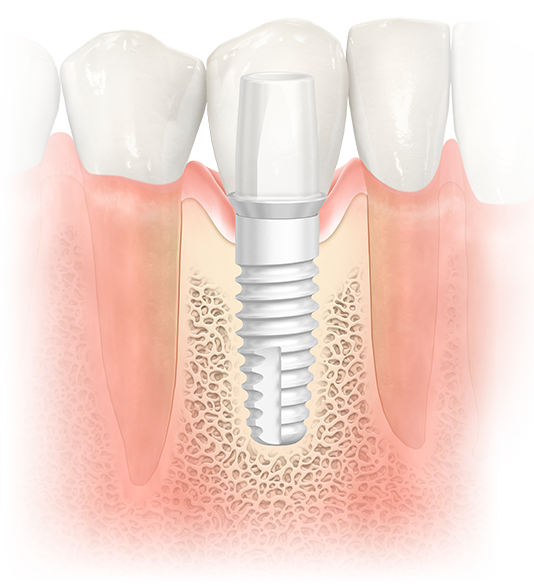
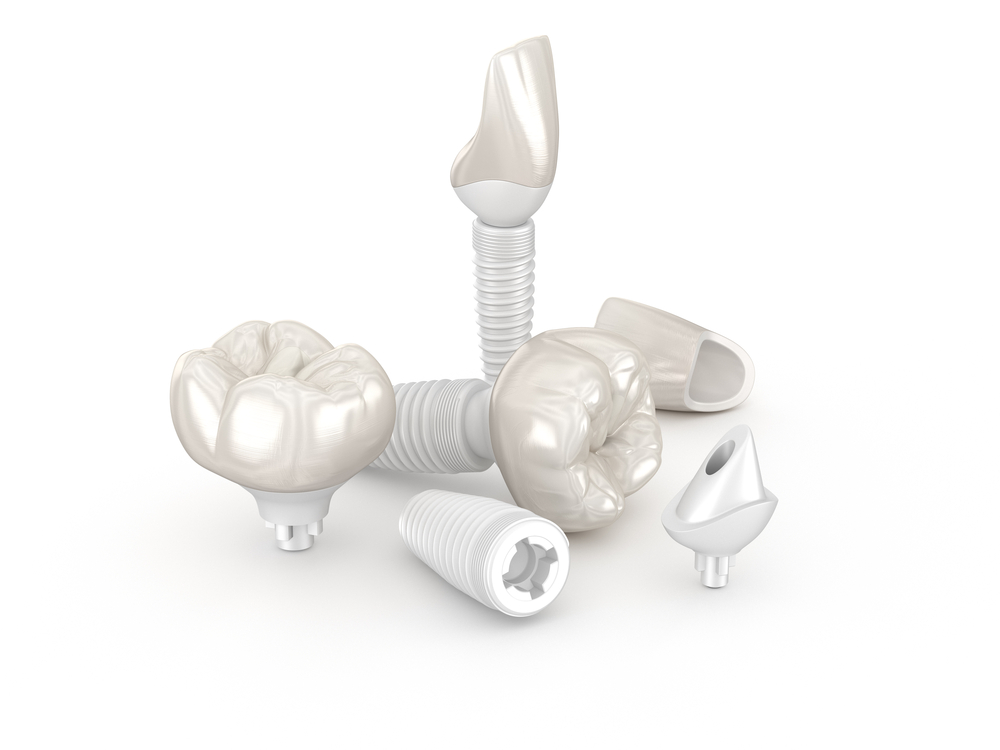
A dental implant is the one replacement that’s most like a natural tooth. The implant itself serves as an artificial root that’s placed in the jaw to support a crown. Multiple implants can be used to support bridges or even full dentures. In all cases, they’re designed to look and work just like natural teeth.
To do this well, they need healthy bone, good circulation, and a healthy immune response. That makes material choice and treatment planning especially important.
Why Zirconia is the Best Option
For most people, zirconia is an ideal choice – a ceramic material that’s extremely strong, durable, and broadly biocompatible. But ceramic dental implants have other virtues when compared to the titanium alloys that most dentists place.
Non-Metal Safe Option
While titanium is also thought to be well-tolerated by most patients, it’s important to note that most metal implants aren’t pure titanium. They’re a blend of metals, which are added to improve strength or handling. Even implants marketed as “commercially pure” titanium have been found to contain traces of other metals – including some toxic ones such as nickel, chromium, and in some cases arsenic.
For patients who are sensitive to metals or wish to avoid metal exposure, zirconia dental implants provide a healthy alternative.
Importantly, metal implants can corrode over time, releasing small amounts of metal ions into the surrounding tissues. This is particularly so in the mouth, where saliva acts as an electrolyte, temperature fluctuates, and biting forces are constant. If multiple metals are present – a titanium implant and an amalgam filling, for instance – oral galvanism can further accelerate electrochemical reactions.
Non-Corrosive Over Time
Research suggests that this combination of corrosion, ion release, and galvanic activity can contribute to inflammation around an implant. That inflammation, in turn, is a known risk factor for peri-implantitis. This condition can lead to bone loss around the implant, making it less stable. Peri-implantitis is a leading risk factor for implant failure.
Because zirconia implants are metal-free and don’t corrode, the risk of this particular chain of events is lower. Going metal-free reduces a potential source of chronic irritation or inflammatory response in the bone and soft tissues around the implant.
Less Bacteria
Additionally, emerging research suggests that ceramic implants may accumulate less bacteria than metal. Since bacterial contamination plays a central role in peri-implantitis, this difference may also help support a healthier tissue response over time.
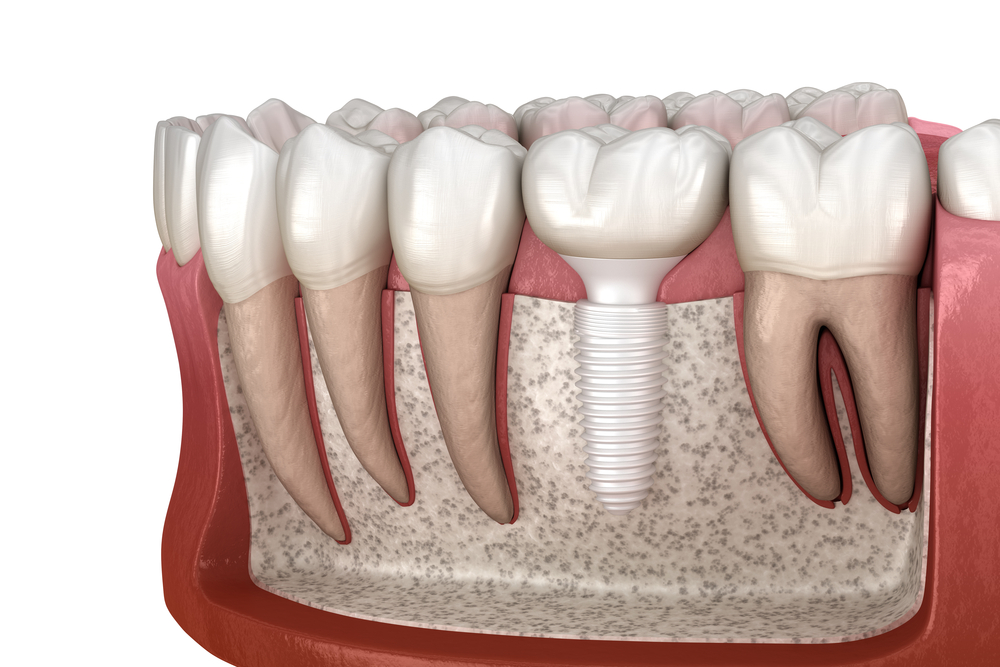
Molar tooth crown installation over ceramic implant. Medically accurate 3D illustration of dental implantation
Implant Planning: More Than Just Placement
Dental implant success depends on more than just precise placement. It takes thoughtful planning. That’s why before even recommending an implant, we evaluate things like
- Bone quality and volume.
- Circulation and healing capacity.
- Bite forces and functional demands.
- Overall oral and systemic health.
In some cases, implantation involves staged planning. This is especially the case when multiple teeth are being replaced or when the implants are meant to support larger prosthetics. Hybridge implants – in which a strategic number of implants are used to support a fixed bridge or denture – may be considered depending on anatomy, goals, and overall health.
What matters most isn’t the system itself, but whether the plan supports stable integration of your implants and long-term success.
What If There Isn’t Enough Healthy Bone for Zirconia Dental Implants?
Successful implants need enough good, healthy bone to integrate with. When bone quality or volume is limited, additional steps may be needed to create conditions that support osseointegration and long-term health. Depending on the specific situation, this may involve
Site preparation or bone grafting.
Sinus lift procedures, when the implant site is too close to the sinus.
Staged treatment, giving tissues time to respond and strengthen between steps.
From a biological perspective, supporting bone health isn’t just about adding volume. It’s about creating an environment where bone can heal well, maintain circulation, and respond predictably to an implant over time.
This is where supportive therapies like platelet-rich fibrin and dental ozone play an especially important role. These natural, biocompatible tools stimulate the body’s own healing abilities and have been scientifically shown to contribute to a quicker, more comfortable, and healthy healing response. Research also suggests that they translate to better implant stability and success.
Timing Considerations
Timing and sequencing are also thoughtfully considered during planning. Tooth loss can lead to bone loss if nothing replaces the missing tooth. Early implant placement can help limit bone changes. In other cases, though, taking the time to prepare the site first can mean better outcomes than rushing placement.
This is why each patient’s unique dental situation and needs must drive the planning and decision-making.
;
A Thoughtful Path Forward
Are zirconia dental implants the best choice for every patient who needs to replace missing or vulnerable teeth? No. Some patients need or prefer removable prosthetics. Others may feel a disconnect between having something implanted in their body and their beliefs, values, and goals.
And some find them to be just the right solution – an excellent alternative to metal implants that are nearly identical to your natural teeth in terms of both function and appearance.
At Revitalize Dental, we take the time to explain your options, help you weigh the tradeoffs, and plan care in a way that supports both oral health and overall wellbeing.