
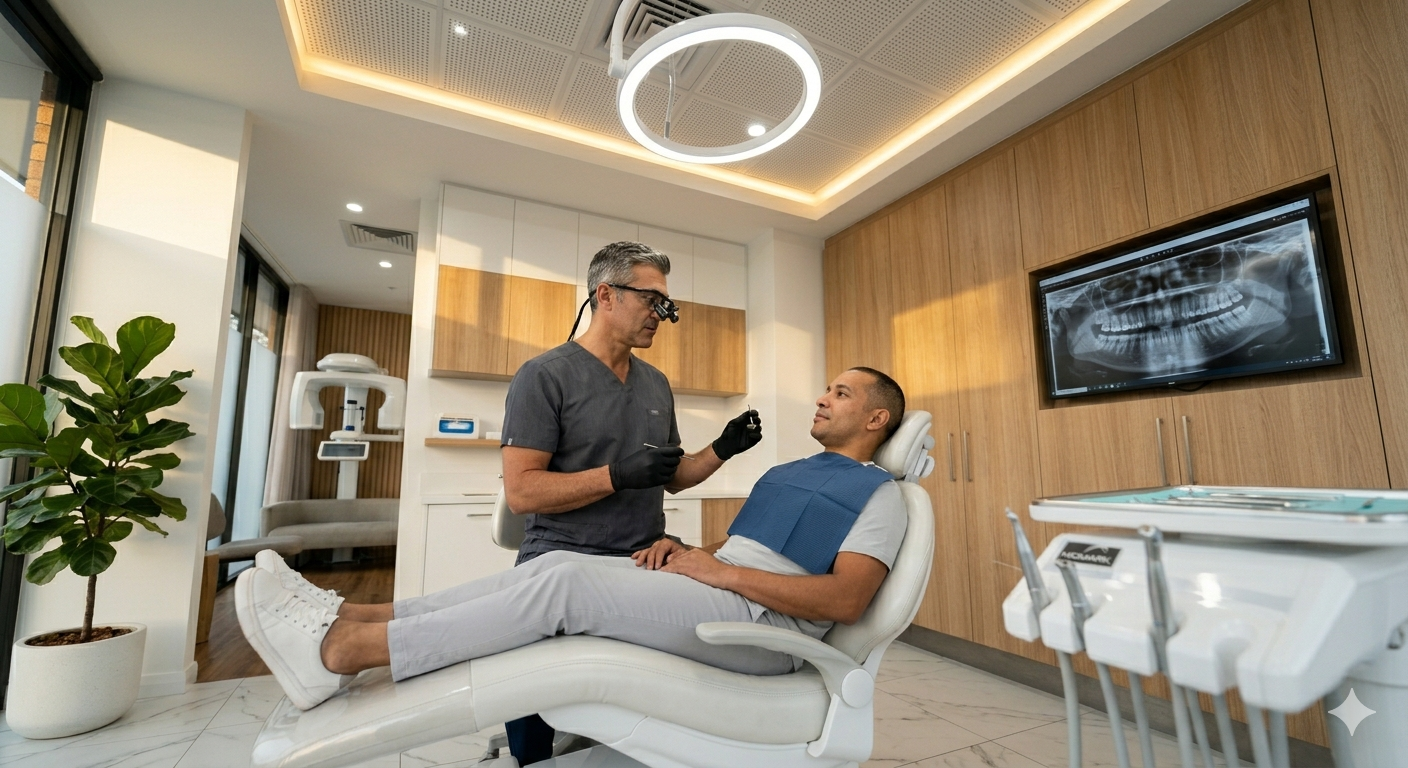
You weigh your options because wisdom teeth can cause pain, crowding, or infection — and you want straightforward guidance for Louisville, KY. If your dentist or oral surgeon recommends removal, getting it done by an experienced local team can prevent complications and make recovery faster and more comfortable.
You’ll find clear explanations of why wisdom teeth are removed, what to expect at your consultation, gentle extraction techniques, and practical recovery tips that fit your life. This article points you to trusted care, modern approaches that prioritize comfort, and how to choose the right dental team so you can move forward with confidence.
Understanding Wisdom Teeth
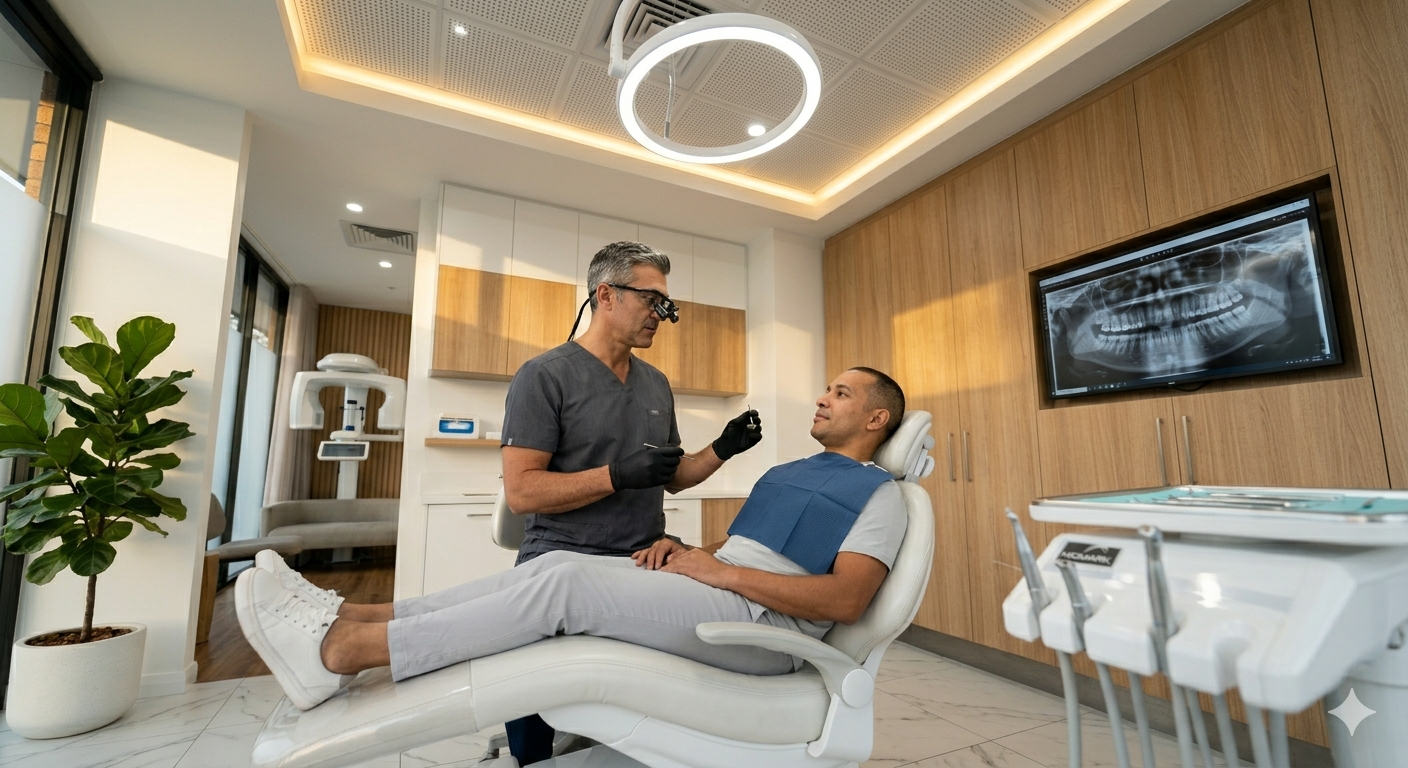
Wisdom teeth are the third molars at the back of the mouth that often cause crowding, infection, or pain. This section explains what they are, when they usually come in, and why problems commonly arise.
What Are Wisdom Teeth?
Wisdom teeth are the third set of molars that typically appear in the far corners of the mouth. Most adults develop four wisdom teeth—two in the upper jaw and two in the lower—but some people have fewer or none at all.
They are larger than premolars and designed for grinding food, a function less necessary with modern diets and smaller jaws. Dentists evaluate them with dental X-rays to check position, root development, and proximity to nerves and sinuses.
Impacted wisdom teeth remain below the gum line or only partially erupt, which increases the risk of decay and gum disease. Removal decisions weigh factors like pain, infection, alignment, and potential damage to adjacent teeth.
Typical Timeline for Eruption
Wisdom teeth usually begin to form during the teenage years and commonly erupt between ages 17 and 25. In some patients, eruption can occur earlier or much later, even into the 30s, depending on genetics and jaw growth.
Dentists monitor development with periodic X-rays starting in the mid-teens to predict eruption paths and identify impaction risk. Early assessment helps plan extraction before roots fully form, often simplifying surgery and recovery.
Symptoms that signal eruption include dull ache at the back of the jaw, swelling, tenderness, and difficulty opening the mouth. Not all erupting wisdom teeth cause symptoms; sometimes routine imaging reveals problematic positioning before pain appears.
Why Issues Often Occur
Problems arise because modern human jaws are often too small to accommodate a third set of molars. This size mismatch causes crowding, abnormal angles, or partial eruption that traps bacteria and food debris.
Impaction occurs when a tooth is obstructed by bone or neighboring teeth, leading to pericoronitis (gum infection), recurrent pain, and cyst formation. Impacted lower wisdom teeth can also lie close to the inferior alveolar nerve, increasing surgical risk.
Other common issues include cavities on partially erupted teeth, damage to adjacent second molars, and sinus complications from upper wisdom teeth. Dentists balance these risks against patient age, health, and radiographic findings when recommending extraction.
Common Reasons for Removal
Wisdom teeth often cause pain, crowding, or infection when they don’t have room to erupt properly. Extraction decisions usually depend on symptoms, X-ray findings, and the patient’s future oral health risks.
Signs You Might Need Extraction
Persistent pain at the back of the mouth is the most common sign; it may come and go but often worsens with chewing. Recurrent swelling or tenderness of the gums around a rear tooth, especially after eating, suggests pericoronitis (gum infection) that may respond poorly to antibiotics without removing the tooth.
Difficulty fully opening the mouth, bad breath that doesn’t improve with hygiene, and repeated dental infections in the same area also indicate extraction may be needed. X-rays showing impacted teeth pushing against adjacent molars, or wisdom teeth erupting at harmful angles, confirm the problem and guide timing.
Risks of Not Removing Problematic Teeth
Leaving symptomatic or impacted wisdom teeth can lead to chronic infection, abscess formation, and damage to neighboring second molars. Pressure from impacted teeth can cause crowding or root resorption in adjacent teeth, sometimes requiring more extensive restorative work later.
Untreated infections can spread to the jawbone (osteomyelitis) or form cysts around the impacted tooth that destroy bone. For patients with weakened immune systems or upcoming medical treatments, retaining a problematic wisdom tooth increases systemic infection risk. Dentists weigh these risks against surgical risks when recommending removal.
Preventing Future Dental Issues
Early evaluation—usually between ages 16 and 22—with panoramic X-rays helps predict eruption patterns and plan extraction timing if needed. Regular dental checkups allow clinicians to monitor wisdom teeth position, detect early decay on partially erupted teeth, and treat gum inflammation before it becomes recurrent.
Good oral hygiene reduces infection risk around erupting wisdom teeth: gentle brushing at the gum line, daily flossing, and antiseptic rinses when advised. For patients uncertain about symptoms, dentists often recommend a consult to discuss sedation options, recovery expectations, and whether proactive extraction would simplify long-term care.
Initial Consultation and Evaluation
A thorough consultation identifies pain sources, evaluates tooth position and nerve proximity, and creates a clear plan for extraction and sedation. The visit combines a detailed medical history, a focused oral exam, and imaging to determine timing, technique, and risks.
What to Expect During Your Visit
The receptionist confirms insurance, medical history, and current medications, including blood thinners and pregnancy status. A dental assistant measures vital signs as needed and reviews any anxiety or sedation preferences the patient shared when scheduling.
The dentist performs an oral exam, checking for infection, swelling, adjacent tooth health, gum condition, and mouth opening. They assess symptoms like pain radiating to the ear, difficulty chewing, or recurrent infections to decide urgency and extraction complexity.
A discussion covers anesthesia choices—local block, nitrous oxide, oral sedation, or IV sedation—tailored to medical history and anxiety level. The team explains recovery expectations, time off work, and post-op care in plain language, and provides opportunity for questions.
Digital X-Rays and Assessment
A panoramic digital X-ray or cone-beam CT (CBCT) visualizes third molar position, root shape, and relation to the inferior alveolar nerve. Digital images allow precise measurement of root length and angulation and help predict whether roots are fused or curved.
The dentist reviews images with the patient, pointing out impacted types: mesioangular, vertical, distoangular, or horizontal. They highlight specific risks, such as root proximity to the nerve or sinus involvement for upper molars.
When CBCT is recommended, the clinician explains the small additional radiation dose and why 3D views improve surgical planning. Copies of images or a printout can be provided for second opinions or specialist referrals.
Personalized Treatment Planning
The care plan states the recommended extraction timing, anesthesia level, and whether single or staged extractions better control swelling and comfort. It includes a clear timeline: pre-operative instructions, estimated procedure length, and expected recovery milestones.
Risk mitigation steps are listed: antibiotic prophylaxis for active infection, altering blood-thinning medication in coordination with the prescribing physician, and pre-op imaging reviews with an oral surgeon if needed. Costs, insurance estimates, and financing options are discussed openly.
A written consent form outlines benefits, alternatives, and potential complications such as dry socket or nerve numbness. The dentist invites questions and schedules the procedure date, ensuring the patient leaves with contact numbers and clear pre-op steps.
Gentle Approaches to Extraction
The practice emphasizes gentle technique, tailored sedation, and clear pain-control steps to keep patients calm and comfortable. Providers focus on minimizing tissue trauma, managing anxiety with appropriate medications, and using proven measures to reduce post-op pain and swelling.
Techniques for a Comfortable Experience
Dentists in Louisville use minimally invasive extraction methods that preserve surrounding bone and soft tissue. They often employ periotomes and fine elevators to gently loosen teeth rather than forceful rocking, which reduces bruising and speeds healing.
Microsurgical instruments and magnification allow precise incisions and suturing when needed, lowering the chance of dry socket. For impacted wisdom teeth, sectioning the tooth into smaller pieces lets clinicians remove it through a smaller opening, decreasing postoperative pain.
Clinics also prioritize gentle local anesthetic techniques. Buffering the anesthetic and injecting slowly reduces the sting and gives more reliable numbness. Staff explain each step and check comfort during the procedure to reduce patient stress.
Sedation Options for Anxiety
Practices typically offer a tiered approach to sedation based on anxiety level and medical history. Options include:
- Nitrous oxide (laughing gas) for light relaxation and quick recovery.
- Oral sedatives (e.g., low-dose benzodiazepines) taken an hour before the appointment for moderate anxiety.
- Conscious IV sedation administered by trained providers for deeper relaxation while maintaining protective reflexes.
General anesthesia is available in select cases, often coordinated with an anesthesiologist for complex extractions or when medical conditions warrant it. Clinicians review medical history, medications, and fasting instructions before sedation and monitor vital signs continuously during the procedure.
Clear post-sedation instructions are provided, including the need for a responsible escort, avoidance of driving for 24 hours after stronger sedatives, and guidance on eating and medications once alert.
Steps Taken to Minimize Discomfort
Before the procedure, clinicians perform a focused exam and review imaging to plan the least traumatic approach. They provide targeted local blocks—such as inferior alveolar or long buccal nerve blocks—so only the operative area is affected.
During surgery, they use copious irrigation to lower heat from drilling and remove debris, which reduces inflammation. Fine sutures and atraumatic flap design promote faster soft-tissue healing and reduce bleeding.
Aftercare protocols include prescribing or recommending: short courses of NSAIDs (ibuprofen 400–600 mg every 6–8 hours as directed), acetaminophen as adjunct, and antibiotics only when indicated. Ice packs, soft-food recommendations, and clear instructions on oral hygiene and activity restrictions help limit swelling and pain while supporting recovery.
Recovery and Home Care
Most patients can expect predictable steps: control bleeding, limit swelling, and follow a soft-food, low-activity routine for several days. Adhering to medication instructions and scheduled check-ins helps prevent complications and speeds healing.
Immediate Post-Procedure Instructions
Patients should bite gently on gauze for 30–45 minutes to form a clot; change gauze only when bleeding lessens and keep light pressure. If bleeding restarts, place a fresh gauze pad or a dampened tea bag over the socket and bite firmly for 20–30 minutes.
Avoid rinsing, spitting, using a straw, or smoking for 72 hours because suction can dislodge the clot. Sleep with the head elevated on pillows for 24 hours to reduce bleeding and swelling.
Take prescribed antibiotics and pain relievers exactly as directed; ibuprofen 400–600 mg every 6–8 hours (unless contraindicated) often manages pain and inflammation well. Call the office for intense pain, fever over 101.5°F, heavy bleeding that soaks through pads after two hours, or numbness that persists beyond expected anesthesia.
Managing Swelling and Tenderness
Apply an ice pack to the cheek over the extraction site for 20 minutes on, 20 minutes off, during the first 48 hours. Use a thin cloth between skin and ice to prevent frostbite; transition to warm compresses after 48–72 hours to help circulation and reduce stiffness.
Expect peak swelling around day 2 or 3; mild bruising and jaw stiffness are common. Keep activities light for 48–72 hours; avoid heavy lifting or strenuous exercise for at least a week to lower bleeding and swelling risk.
Gently open and close the mouth to maintain mobility, but stop if sharp pain occurs. Use a soft-bristled toothbrush and rinse gently with prescribed antiseptic rinse or warm salt water starting 24 hours after surgery to keep the area clean without disturbing healing tissue.
Best Foods for Healing
Start with cool, soft foods like applesauce, Greek yogurt, pudding, and well-blended smoothies (avoid straws). Choose protein-rich options such as mashed beans, scrambled eggs, or protein shakes to support tissue repair.
Gradually add lukewarm, soft solids—mashed potatoes, soft-cooked pasta, and steamed, finely chopped vegetables—once chewing feels comfortable. Avoid crunchy, spicy, acidic, or small-seed foods (nuts, chips, berries) until the sockets fully heal to prevent irritation or particle lodgment.
Stay hydrated with water and electrolyte drinks; avoid alcohol for at least 48–72 hours and refrain from carbonated beverages that can cause discomfort. If weight loss, poor intake, or persistent nausea occurs, contact the dental office for dietary guidance or a follow-up visit.
Long-Term Oral Health Benefits
Removing problematic wisdom teeth can prevent pain, infections, and pressure on other teeth. It also helps maintain gum health and lowers the chance of costly treatments later.
Reduced Risk of Future Complications
Extraction of impacted or partially erupted wisdom teeth reduces the likelihood of pericoronitis, a painful gum infection that can recur around a partially erupted tooth. When a wisdom tooth is trapped under gum tissue, bacteria collect and cause swelling, bad breath, and sometimes systemic symptoms like fever. Removing the tooth eliminates that pocket where bacteria thrive and prevents repeated antibiotic courses.
Extraction also lowers the risk of tooth decay and root resorption in adjacent second molars. A wisdom tooth pressing against a second molar can cause cavities that are difficult to clean or can erode the second molar’s root structure. Removing the wisdom tooth removes the source of that pressure and protects neighboring teeth from progressive damage.
Supporting Healthy Teeth Alignment
Wisdom tooth removal can preserve orthodontic results by preventing late crowding in the back of the mouth. While not every wisdom tooth causes movement, when molars erupt at an angle they can exert forward pressure on the dental arch, potentially shifting teeth that were straightened with braces or aligners. Early assessment and timely extraction reduce that risk.
Extraction also helps maintain even occlusion and bite function. When a wisdom tooth erupts improperly it can create high spots or uneven contacts, leading to abnormal wear or jaw discomfort. Removing the problematic tooth allows the dentist to restore balanced chewing surfaces and reduces the chance of temporomandibular joint strain.
Choosing the Right Dental Team
Selecting the right dental team affects comfort, complication risk, and healing time. Focus on provider qualifications, local experience with Louisville anatomy and referral networks, and a patient-centered approach that prioritizes pain control and clear communication.
Qualities to Look for in a Provider
Look for an oral surgeon or oral-maxillofacial surgeon with board certification or active membership in the American Association of Oral and Maxillofacial Surgeons (AAOMS). These credentials indicate advanced surgical training beyond general dentistry.
Verify state licensure and check for continuing education in sedation, minimally invasive extraction techniques, and infection control. These demonstrate up-to-date practice.
Ask about case volume and specific experience with impacted third molars, particularly horizontally impacted or partially erupted teeth. Request before-and-after photos and patient outcomes for similar cases.
Confirm anesthesia capabilities: local anesthesia only, nitrous oxide, oral sedation, IV sedation, or general anesthesia. Ensure the office has ACLS-trained staff and emergency protocols.
Check patient reviews for consistent reports on pain control, follow-up care, and complication management rather than isolated praise or complaints.
Importance of Local Experience
A team familiar with Louisville’s patient population, referral patterns, and local hospitals reduces logistical friction. They will know which nearby hospitals accept transfers, and which ENT or orthodontic specialists commonly collaborate in complex cases.
Local experience also means familiarity with regional insurance networks and Medicaid/Medicare nuances in Kentucky. This saves time and unexpected billing issues for patients.
Seasoned Louisville practitioners will understand common regional oral health factors such as tobacco use trends and access-to-care challenges that can affect healing.
They often maintain relationships with nearby pharmacies and lab services, speeding prescription fulfillment and diagnostic testing when needed. This practical knowledge improves scheduling and postoperative support.
Patient-Centered Care in Louisville KY
Patient-centered care emphasizes clear consent, individualized pain management, and reachable post-op support. The team should provide step-by-step written instructions, 24–48 hour phone access for postoperative concerns, and a clear escalation plan for emergencies.
Look for offices offering preoperative consultations that include a review of medical history, medication interactions (e.g., anticoagulants), and realistic recovery timelines customized to the patient’s health status.
Comfort measures matter: private recovery areas, music or distraction options, and tailored sedation choices reduce anxiety and improve cooperation.
Transparent pricing, itemized estimates, and assistance with insurance claims reflect patient-centered administration. Encourage patients to ask specific questions about nerve-sparing techniques, dry socket prevention, and what to expect on each recovery day.
Next Steps for a Confident Smile
After a wisdom tooth consultation in Louisville, KY, the team will outline recommended options based on X-rays and your medical history. They explain whether extraction, monitoring, or a referral to an oral surgeon fits your situation.
Patients receive clear pre-op and post-op instructions to reduce anxiety and speed recovery. Follow-up visits help monitor healing and address any concerns quickly.
Many practices offer sedation choices for comfort, from local anesthesia to IV sedation. Staff discuss risks, benefits, and what to expect so patients feel informed and secure.
Use this quick checklist before your appointment:
- Bring a list of medications and allergies.
- Arrange transportation if using sedation.
- Prepare soft foods and ice packs for aftercare.
Insurance coordinators review coverage and provide cost estimates upfront. They help identify payment options and answer billing questions.
If infection or crowding caused pain or damage to nearby teeth, extraction often prevents future problems. If removal isn’t urgent, they discuss monitoring schedules and preventive care.
They encourage questions and open communication to tailor care to each patient’s needs. Contact the Louisville office to schedule an evaluation or to discuss concerns about wisdom teeth and comfort during treatment.
Frequently Asked Questions
This section answers specific decisions, appointment steps, costs, insurance checks, recovery actions, and timing for orthodontics after wisdom teeth removal. Each answer gives clear, practical details patients can use when planning care in Louisville, KY.
How do I choose the right oral surgeon for wisdom teeth removal?
Look for a board-certified oral and maxillofacial surgeon with local hospital privileges and at least several years of surgical experience. Check patient reviews for post-op comfort, punctuality, and staff communication.
Confirm the practice offers sedation options (local, oral, IV) and modern imaging like CBCT scans for impacted teeth assessment. Ask about emergency availability, follow-up protocols, and whether the surgeon handles complications in-house.
What does a typical wisdom teeth extraction appointment look like from start to finish?
The visit begins with registration, medical-history review, and consent forms, which usually takes 10–20 minutes. The surgeon reviews imaging and explains the plan before sedation.
Sedation and local anesthesia are administered in a monitored setting; the procedure itself commonly takes 20–60 minutes depending on impaction. Recovery in the office lasts 30–60 minutes for observation, then discharge instructions and prescriptions are provided.
How much should I expect to pay for wisdom teeth removal, and what factors affect the cost?
Typical fees in Louisville range widely: simple extractions often cost $150–$400 per tooth, while surgical removal of impacted teeth can run $400–$1,200 per tooth. Total cost depends on number of teeth, complexity of impaction, and anesthesia type.
Facility fees, surgeon experience, imaging (CBCT vs. standard X-ray), and follow-up care also affect price. Ask for an itemized estimate and whether the office offers payment plans or care-credit options.
Does dental insurance (or Medicaid) help cover wisdom teeth removal, and what should I check before scheduling?
Many dental insurance plans cover part of extraction costs, often at 50–80% for surgical procedures with an annual maximum limit. Medicaid coverage varies by state and plan; some emergency or medically necessary removals may be covered.
Verify in-network status, deductible, annual maximum, and pre-authorization requirements. Request a pre-treatment estimate from the surgeon’s office to avoid surprise bills.
What are the most common recovery tips to stay comfortable and heal faster after wisdom teeth removal?
Use prescribed pain medication as directed and alternate ibuprofen with acetaminophen if recommended to control inflammation and pain. Apply a cold pack for the first 24 hours, then switch to gentle warm compresses after 48–72 hours if swelling persists.
Eat soft, nutrient-rich foods like yogurt, smoothies, and mashed potatoes; avoid straws, smoking, and vigorous rinsing for the first week. Keep the mouth clean with gentle saltwater rinses starting 24 hours post-op and attend all follow-up appointments.
When is it safe to get braces after wisdom teeth removal, and how do I time it with my orthodontic plan?
Most orthodontists recommend waiting 1–3 weeks after uncomplicated extractions before placing braces to allow initial soft-tissue healing. If extractions were surgical or complicated, waiting 4–6 weeks or until the orthodontist and surgeon confirm adequate healing may be safer.
Coordinate timing by sharing the surgeon’s post-op notes and a recent radiograph with the orthodontist. They will schedule bracket placement or wire adjustments so treatment progresses without interfering with surgical healing.