
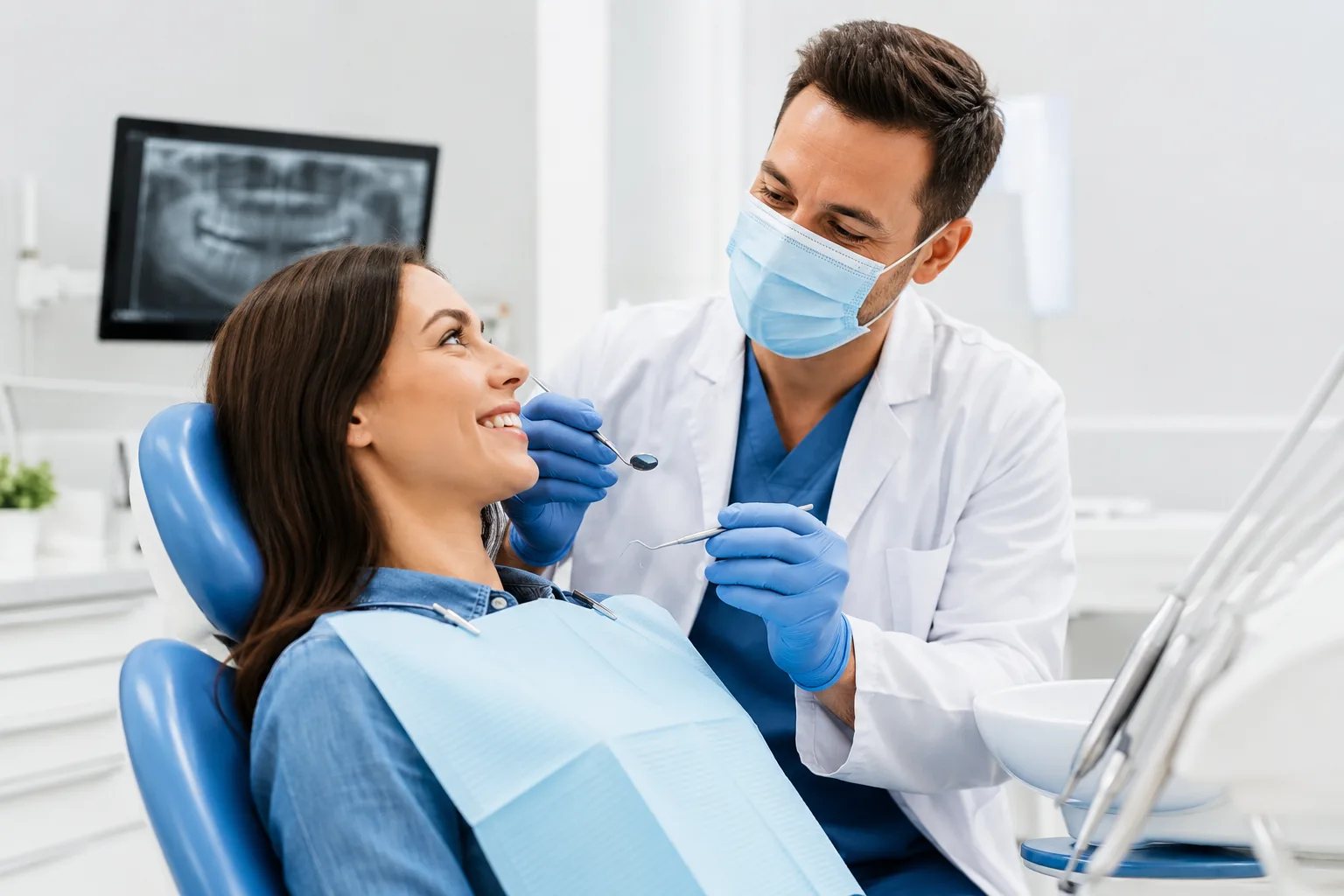
A bright smile can help a person feel more comfortable in photos, conversations, and everyday life. However, teeth naturally become darker or more stained over time. Coffee, tea, red wine, tobacco, richly colored foods, and normal aging can all influence the way a smile looks.
If you are exploring teeth whitening in Louisville, KY, you may be wondering whether professional treatment is worth it, which option fits your needs, and whether whitening will make your teeth sensitive. The good news is that modern whitening options can be tailored to your smile, schedule, and comfort preferences.
This guide explains the most common choices in simple terms so you can have a more informed conversation with your dentist.
Understanding Teeth Whitening Options
Teeth whitening uses bleaching ingredients to make certain types of discoloration less noticeable. Although products may look similar on the shelf or online, their strength, fit, application method, and level of professional supervision can differ considerably.
The three broad categories are in-office whitening, dentist-supervised take-home whitening, and over-the-counter products. No single choice is ideal for everyone. A dentist can help identify which approach is more appropriate after looking at the cause of discoloration, the condition of the mouth, and any history of sensitivity.
Why do teeth become stained?
Some discoloration develops on the outer surface of the teeth. Dark beverages, tobacco, pigmented sauces, and certain foods can contribute to this kind of staining. Plaque and tartar buildup may also make a smile appear dull, which is one reason a dental cleaning may be recommended before cosmetic treatment.
Other color changes originate within the tooth rather than on its surface. Age, previous injury, medication exposure, and natural enamel characteristics may play a role. Because different types of discoloration may respond differently, an evaluation helps set realistic expectations.
Whitening also needs to be considered alongside fillings, crowns, veneers, bonding, or implant restorations in visible areas. A dentist can assess whether these materials may affect the final color match and discuss whether any additional cosmetic planning is appropriate.
Professional in-office whitening
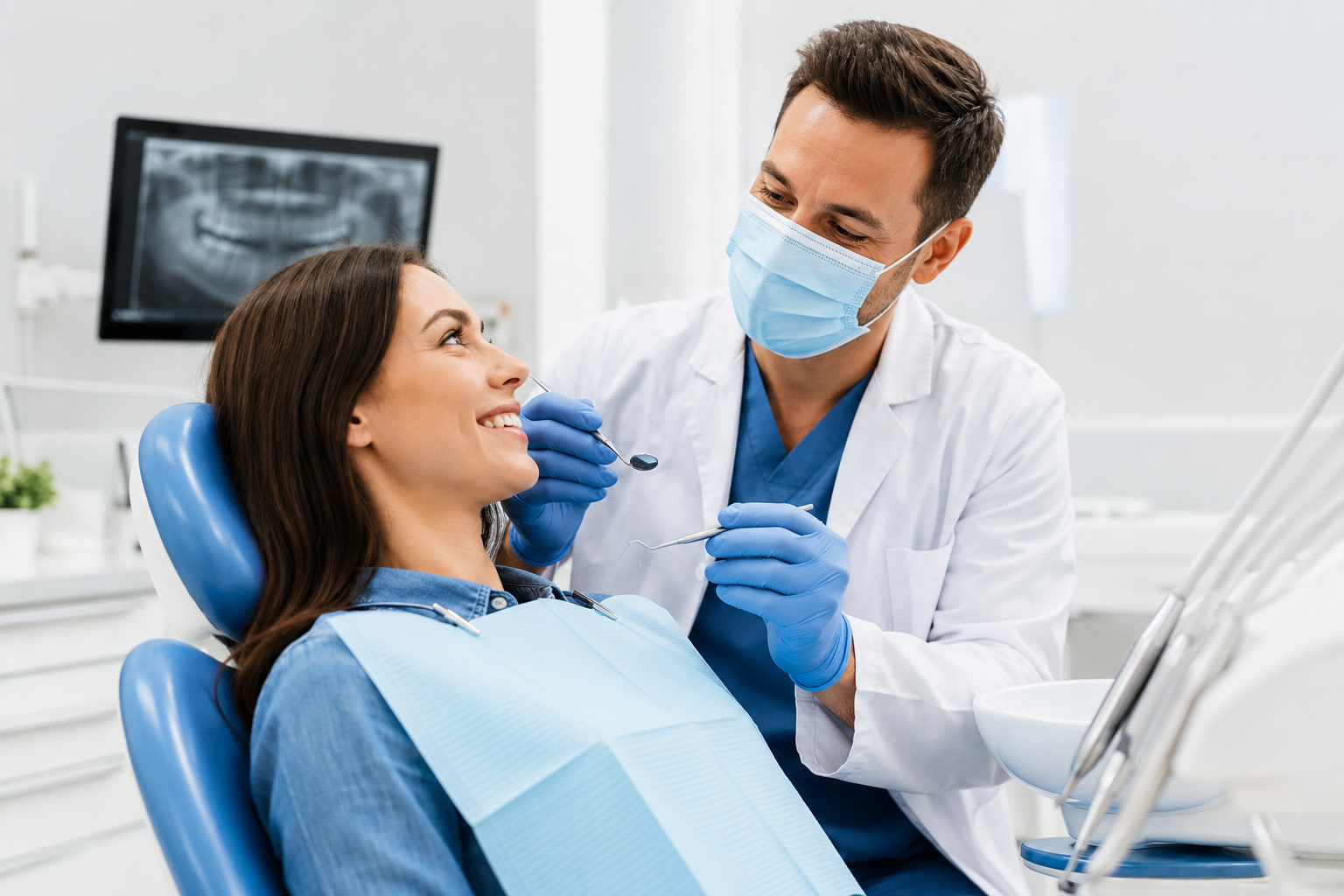
In-office whitening takes place at a dental practice. The dental team protects the lips and gums, applies a professional whitening material, and monitors the process. This option may appeal to patients who prefer treatment in a controlled setting or who want to avoid applying products themselves at home.
An appointment also gives the team an opportunity to adjust the plan based on comfort. Whitening results vary because every smile starts with a different shade and type of discoloration. A responsible provider should discuss likely limitations rather than promising a specific shade.
Dentist-supervised take-home whitening
Professional take-home whitening allows a patient to complete treatment at home using instructions from a dental team. Depending on the system, the dentist may provide trays designed to distribute whitening gel across the teeth more evenly than a generic one-size-fits-all tray.
This option may work well for someone who values flexibility or prefers a gradual approach. Following the prescribed amount and wear schedule is important. Using extra gel or wearing trays longer than recommended does not guarantee a better outcome and may increase irritation or sensitivity.
Over-the-counter whitening products
Whitening strips, toothpastes, rinses, pens, and generic trays are widely available. They can be convenient, but products differ in how they work. Whitening toothpaste generally focuses on removing surface stains, while strips and some gels contain bleaching ingredients.
Store-bought products may not address uneven discoloration or fit every mouth comfortably. Anyone with dental restorations, gum problems, tooth pain, or a strong history of sensitivity should speak with a dentist before trying a new whitening product.
What happens at a whitening consultation?
A whitening consultation is typically straightforward. The dental team may ask what you would like to change, whether you have experienced sensitivity, and whether you have an upcoming event. The dentist can then examine the teeth, gums, and visible dental work.
This visit is also a chance to look for concerns that may need attention before cosmetic treatment. Whitening is not a substitute for treating decay, gum inflammation, a cracked tooth, or another source of discomfort. Addressing oral health first helps the cosmetic plan start on a sound foundation.
Useful questions to ask include:
- What type of discoloration appears to be present?
- Which whitening method fits the person’s goals and sensitivity history?
- Could existing crowns, fillings, veneers, or bonding affect the color match?
- What should the patient do if sensitivity develops?
- How can the results be maintained without overusing whitening products?
Can teeth whitening cause sensitivity?
Some people experience tooth sensitivity during or after bleaching. Gum irritation can also occur when whitening gel comes into contact with the soft tissues. This does not mean every patient will have the same experience, but sensitivity should be part of the planning conversation.
The American Dental Association notes that people experiencing sensitivity may use desensitizing toothpaste and should contact their dentist if the sensation persists. A dentist may also recommend changing the application schedule, product, or whitening plan based on the individual situation.
Whitening should be paused and professional guidance sought if there is significant discomfort, ongoing irritation, or pain focused in one tooth. These symptoms deserve attention rather than being covered up with repeated cosmetic treatment.
How to maintain a brighter smile
Whitening is not permanent because the teeth remain exposed to foods, drinks, and habits that can cause new stains. Fortunately, routine care can help preserve a cleaner, brighter appearance.
The American Dental Association recommends brushing and flossing daily, maintaining regular dental appointments, avoiding smoking, and limiting stain-producing foods and drinks such as coffee, tea, red wine, soda, dark berries, and highly pigmented sauces.
Practical habits may include:
- Rinsing the mouth with water after a dark beverage
- Brushing twice daily with a soft-bristled toothbrush and fluoride toothpaste
- Cleaning between the teeth each day
- Keeping up with professional dental cleanings
- Avoiding tobacco products
- Asking a dentist before beginning frequent whitening touch-ups
There is no universal schedule for touch-up treatment. How long a smile stays bright depends on diet, home care, tobacco use, the original type of discoloration, and the whitening method. The goal should be safe maintenance—not constant bleaching.
How much does teeth whitening cost in Louisville?
The cost of teeth whitening in Louisville can vary based on the selected method, the number of appointments, whether customized trays are included, and the amount of follow-up care needed. In-office treatment and dentist-supervised take-home systems may therefore have different fees.
Before moving forward, patients can request a written estimate and ask what the quoted price includes. Because whitening is generally considered cosmetic, dental insurance may not cover it. The practice can clarify payment and financing options before treatment begins.
Price matters, but it should not be the only consideration. An oral evaluation, clear instructions, realistic expectations, and access to the dental team if sensitivity occurs can all add value to professionally guided care.
Choosing a Louisville teeth whitening provider
A good whitening experience begins with communication. Look for a dental team that asks about your goals, examines your mouth, explains more than one option, and discusses possible sensitivity without pressure. The provider should also consider visible dental restorations when planning the desired shade.
Patients can review a practice’s available dental services and bring questions to the consultation. A personalized plan is generally more useful than choosing a product based only on advertising or a dramatic before-and-after photo.
Frequently Asked Questions About Teeth Whitening
Is professional teeth whitening safe?
Whitening can be an appropriate cosmetic option for many adults when the product is selected carefully and used as directed. Suitability still depends on oral health, sensitivity, restorations, and the cause of discoloration. A dental examination is the best way to determine whether treatment is advisable for an individual patient.
Will whitening work on crowns, fillings, or veneers?
Dental restorations need to be considered separately from natural teeth when planning a shade change. A dentist can examine visible crowns, fillings, bonding, veneers, or implant restorations and explain how they may influence color matching.
How white will the teeth become?
No ethical provider can guarantee an exact shade. Results vary with the starting color, type of discoloration, chosen product, and individual response. The aim is usually a natural-looking improvement that complements the patient’s smile and facial features.
How long do whitening results last?
There is no fixed timeline. Coffee, tea, wine, tobacco, diet, oral hygiene, and natural aging can all affect how the smile looks after treatment. Regular cleanings and sensible stain-reducing habits may help maintain the result.
Can someone whiten teeth before a wedding or special event?
Yes, but it is wise not to wait until the last moment. Planning ahead gives the dentist time to evaluate the mouth, discuss expectations, and adjust the approach if sensitivity develops. The appropriate lead time depends on the selected whitening method and the condition of the teeth.
Should teeth be cleaned before whitening?
A dentist may recommend a cleaning first if plaque, tartar, or surface staining is present. The sequence should be personalized after an examination rather than assumed for every patient.
Take the Next Step Toward a Brighter Smile
Teeth whitening should feel like a thoughtful dental decision, not a guessing game. A professional consultation can clarify why the teeth look discolored, which options may fit your lifestyle, and how to reduce avoidable sensitivity.
Patients considering teeth whitening in Louisville, KY, are welcome to contact Revitalize Dental. The practice is located at 2323 Lime Kiln Lane, Louisville, KY 40222. Schedule a consultation, share your goals, and ask any questions you have about achieving a naturally brighter smile.